
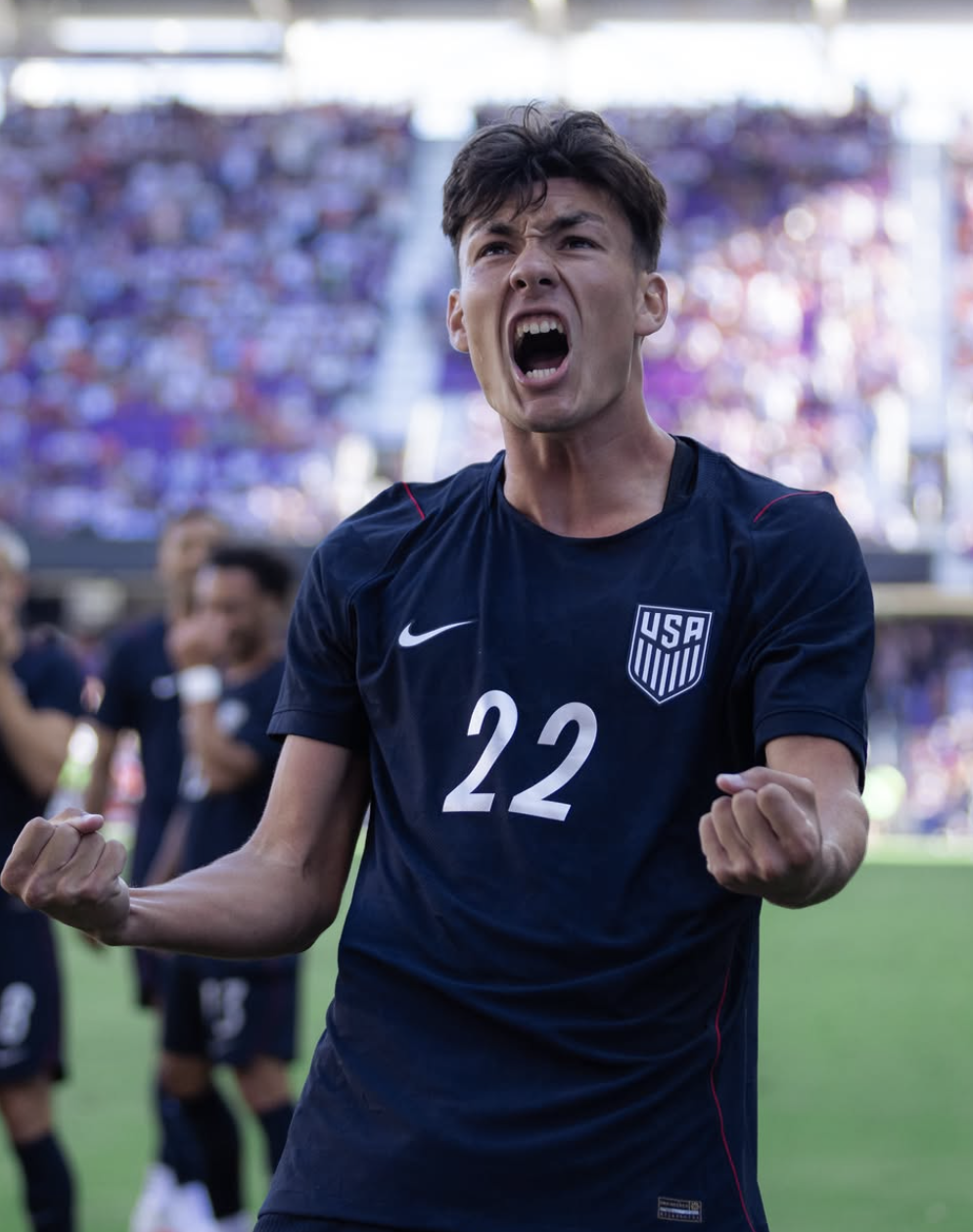
Before we continue, let’s just make one thing clear: this game ended not just in victory, but in an absolutely overwhelming 4-1 blowout. When the USMNT took on Peru in an exhibition game in front of an electrifying crowd in Orlando, Florida, you could feel a palpable atmosphere of tension in the air as the increasingly confident Americans met their South American counterpart. For the Peruvian media, the match was an ordinary game; they always like to poke fun at the development of US Soccer. They act as if history was enough to win a game in 2026 while ignoring their static domestic pipeline, but when you face a young and hungry USMNT, you will regret your arrogance greatly in the match.
When you spend your weeks analyzing the tactics of Liga 1 games, following the brutal CONMEBOL style of play and, at the same time, watching every single game of Orlando City, you get a very unique perspective on a game like this one. You see how two different soccer paths are colliding, and the goals of this match tell us everything about this young attacking potential and growing pains in the US defense.
Everything changed just a couple of minutes after the opening kickoff in this match, when the home crowd got the first goal after just 4 minutes. Justin Ellis, who is Orlando City’s own 19-year-old academy product, announced his senior debut for the national team in the most perfect way possible. Ellis didn’t just score the goal; he created this opportunity on his own, drawing a foul near the sidelines about 25 yards from the goal. Gio Reyna stepped up and delivered a perfect free-kick into the penalty area. Peruvian central defenders completely lost their men in marking and were dragged out of position. This mistake turned out to be extremely fatal for the South Americans, as Ellis had a completely uncontested run toward the goal to head the ball past Pedro Gallese. For a young kid playing his first international match at home, the outcome was the best possible result. From here, there was no stopping the momentum, and USMNT showed that they can play aggressively.
However, international soccer is a complicated game to predict. In the 15th minute of the match, Gianluca Lapadula’s experience showed everyone why he is still a very dangerous forward to watch at the age of 36. Thanks to the very obvious mistake of the US defense, Lapadula equalized the score. Yoshimar Yotún delivered the ball into the penalty area, but the true problem of the first goal is a huge communication breakdown of the starting center-backs duo of Auston Trusty and George Campbell. If you allow an experienced poacher to get an uncontested shot inside the penalty area, you will pay for it.
1-1 scoreline fully reflected what happened in the first half of the match. The young Americans started with incredible energy and pace, but after the first 15 minutes, this game turned into a purely physical fight. Realizing that they can’t keep up with the pace of their opponents, Peru decided to use the dark arts. They made eight fouls in the first half of the match alone, overall making 15 fouls, and switched to a physical low block designed to interrupt the rhythmic play of the USMNT. It helped, to a certain extent; the American squad got involved in the scrap, and both Cavan Sullivan and Gio Reyna collected yellow cards for a foul before halftime. Mauricio Pochettino’s players knew perfectly well what CONMEBOL’s style of play is: remain aggressive, but don’t give any red cards because going down to ten will give all the momentum back to the experienced opponents.
The second half of the match was the best example of tactical adjustment and huge disparity in ages and physical stamina between two teams. While the South Americans relied on their aging core, the young USMNT did everything to maximize their advantages. Diego Kochen replaced Freese in the net to start the second half of the match, showing maturity beyond his years. Instead of falling into Peru’s physical traps, the American squad established total control of the possession, using transitions, passing the ball out wide, and stretching the legs of the aging opposition.
All these advantages turned into clear differences as soon as Peru started racking up fouls and yellow cards trying to slow the tempo. In the 66th minute, Malik Tillman stepped up to the spot and calmly scored a penalty kick, putting the Americans ahead.
Once Peru broke its low block, the USMNT youth took advantage of the space and showed their class in transition. In the 72nd minute, Sebastian Berhalter delivered a flawless pass to Julian Hall, who then put the Americans into a two-goal lead.
Finally, in the last minute of regulation time, the two second-half substitutes linked up again, this time swapping their positions. Hall became a provider, feeding Berhalter for the final goal of the game. This was the best possible conclusion to the game for the Americans.
You can keep talking about the development of US Soccer and laugh at it as much as you want, but as long as the Peruvians are relying on 36-year-old forwards to solve all their problems, the US will be constantly getting teenagers who are ready to rip apart their opposition in international matches. This 4-1 blowout was a clear reminder that CONMEBOL’s physical bullying against CONCACAF is over.
Until next time.
Español
Antes de seguir, dejemos una cosa clara: este partido no terminó solo en victoria, sino en una goleada absolutamente aplastante de 4-1. Cuando la selección de Estados Unidos se enfrentó a Perú en un amistoso ante una multitud electrizante en Orlando, Florida, se sentía en el aire una tensión palpable: los estadounidenses, cada vez más seguros de sí mismos, se medían con su contraparte sudamericana. Para la prensa peruana, el partido era un juego más; siempre les gusta burlarse del desarrollo del fútbol estadounidense. Actúan como si la historia bastara para ganar un partido en 2026, mientras ignoran su propio pipeline doméstico estancado. Pero cuando te topas con una USMNT joven y hambrienta, esa arrogancia se paga caro en la cancha.
Cuando pasas las semanas analizando la táctica de la Liga 1, siguiendo el estilo brutal de la CONMEBOL y, al mismo tiempo, viendo cada partido del Orlando City, terminas con una perspectiva muy particular de un encuentro como este. Los goles de este partido muestran claramente cómo chocan dos caminos distintos del fútbol, reflejando el potencial ofensivo joven y los dolores de crecimiento en la defensa estadounidense.
Todo cambió apenas un par de minutos después del pitazo inicial, cuando la hinchada local celebró el primer gol a los 4 minutos. Justin Ellis, el producto de la academia del Orlando City de 19 años, anunció su debut absoluto con la selección de la manera más perfecta posible. Ellis no solo marcó: se fabricó la jugada solo, provocando una falta cerca de la banda, a unos 25 yardas del arco. Gio Reyna se paró y metió un tiro libre perfecto al área. Los centrales peruanos perdieron por completo a sus marcas y quedaron descolocados. Ese error resultó fatal para los sudamericanos: Ellis llegó con una carrera totalmente libre hacia el arco y cabeceó el balón más allá de Pedro Gallese. Para un chico joven que jugaba su primer partido internacional en casa, el resultado no podía ser mejor. A partir de ahí, el impulso fue imparable y la USMNT demostró que puede jugar con agresividad.
Pero el fútbol internacional es un juego difícil de predecir. En el minuto 15, la experiencia de Gianluca Lapadula le recordó a todos por qué, a los 36 años, sigue siendo un delantero tan peligroso. Gracias a un error muy evidente de la defensa estadounidense, Lapadula logró el empate. Yoshimar Yotún metió el balón al área, pero el verdadero problema del gol fue un quiebre enorme de comunicación en la dupla de centrales titulares, Auston Trusty y George Campbell. Si dejas que un cazagoles con experiencia dispare sin oposición dentro del área, lo pagas.
El 1-1 reflejó de lleno lo que pasó en la primera mitad. Los jóvenes estadounidenses arrancaron con una energía y un ritmo increíbles, pero después de los primeros 15 minutos el partido se convirtió en una pelea puramente física. Al darse cuenta de que no podían seguir el ritmo de sus rivales, Perú decidió recurrir a las artes oscuras. Cometieron ocho faltas solo en el primer tiempo—15 en total—y se metieron en un bloque bajo físico, diseñado para cortar el juego rítmico de la USMNT. En cierta medida les funcionó: el equipo estadounidense se metió en la trifulca, y tanto Cavan Sullivan como Gio Reyna se llevaron amarilla por falta antes del descanso. Los jugadores de Mauricio Pochettino sabían perfectamente cómo es el estilo de la CONMEBOL: seguir agresivos, pero sin regalar rojas, porque quedarse con diez le devolvería todo el impulso a un rival con más experiencia.
El segundo tiempo fue el mejor ejemplo de ajuste táctico y de la enorme diferencia de edad y de fondo físico entre los dos equipos. Mientras los sudamericanos se apoyaban en su núcleo envejecido, la joven USMNT hizo todo para maximizar sus ventajas. Diego Kochen reemplazó a Freese en el arco para arrancar la segunda mitad, con una madurez por encima de su edad. En lugar de caer en las trampas físicas de Perú, el equipo estadounidense tomó el control total de la posesión, usando las transiciones, sacando el balón por las bandas y estirando las piernas de una oposición que ya no daba más.
Todas esas ventajas se convirtieron en diferencias claras en cuanto Perú empezó a acumular faltas y amarillas intentando bajar el ritmo. En el minuto 66, Malik Tillman se paró en el punto penal y definió con calma, poniendo a los estadounidenses arriba.
Cuando Perú rompió su bloque bajo, la juventud de la USMNT aprovechó el espacio y mostró su clase en transición. En el minuto 72, Sebastian Berhalter metió un pase impecable a Julian Hall, que dejó a los estadounidenses con dos goles de ventaja.
Por último, en el minuto final del tiempo reglamentario, los dos suplentes del segundo tiempo volvieron a asociarse, esta vez intercambiando roles. Hall se convirtió en el asistidor y le sirvió el balón a Berhalter para el gol final del partido. Fue el cierre perfecto para los estadounidenses.
Pueden seguir hablando del desarrollo del fútbol estadounidense y burlarse todo lo que quieran, pero mientras los peruanos dependan de delanteros de 36 años para resolver todos sus problemas, Estados Unidos va a seguir sacando adolescentes listos para desarmar a su rival en los partidos internacionales. Esta goleada de 4-1 fue un recordatorio claro de que el bullying de la CONMEBOL contra la CONCACAF se acabó.
Hasta la próxima.
Leave a Reply